Airborne Hazards

Working in front of a hot stove every day means regular exposure to fumes from grills, frying pans, and deep fryers. After a busy service, you may experience a dry or irritated throat, chest tightness, headaches, dizziness, or nausea.
Enter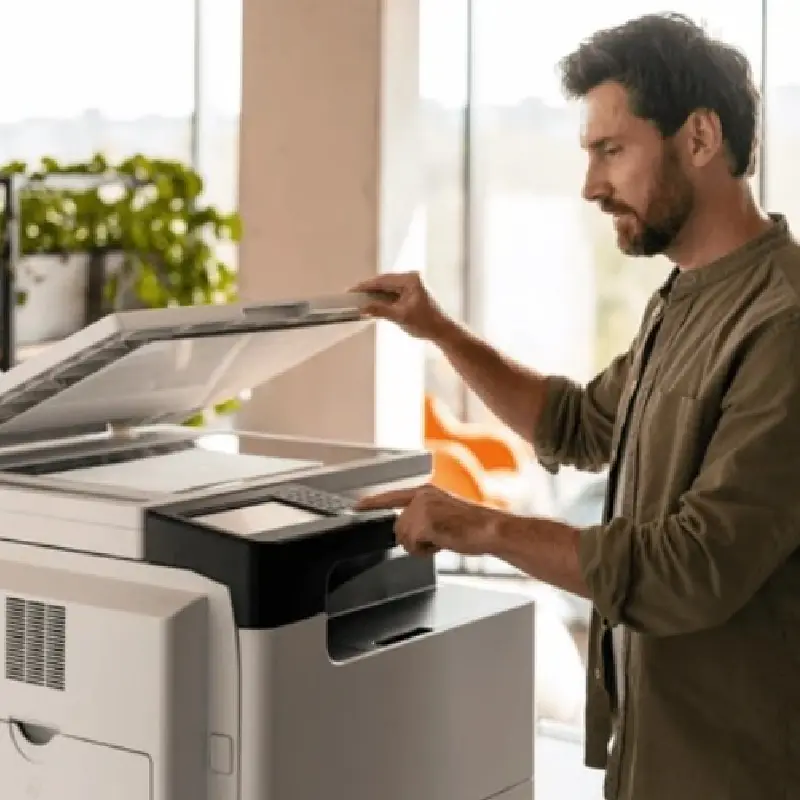
Many office workers keep a laser printer next to their desk or directly behind their chair for easy access to printed documents. However, the warm smell released during printing is not simply heated paper. It can also contain ultrafine toner particles (UFPs) and volatile organic compounds (VOCs) released into the air.
Enter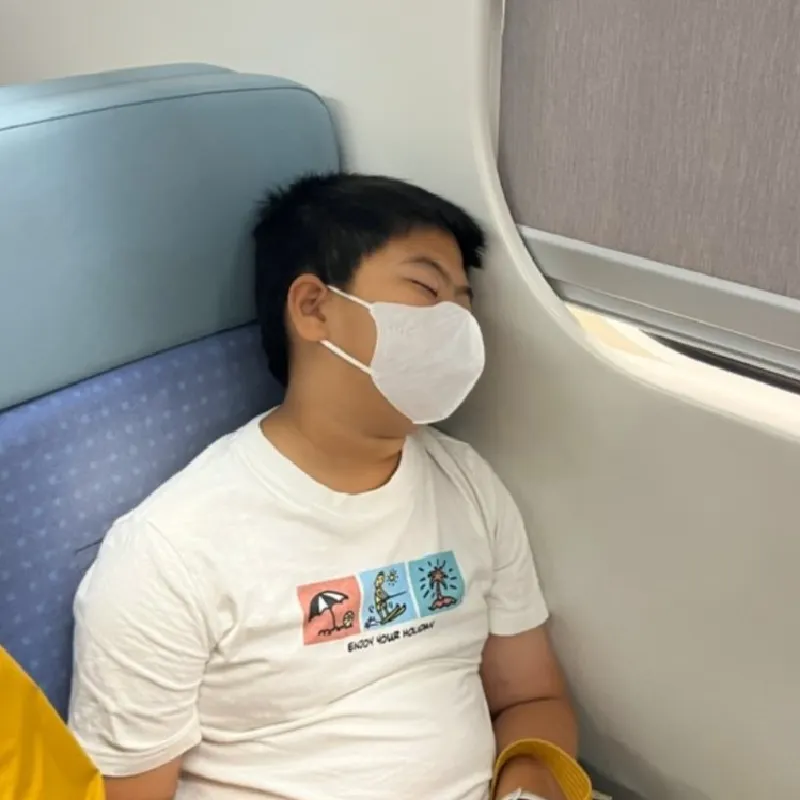
Every fall and winter, Taiwan’s smog season arrives right on schedule. Many parents notice their children rubbing their eyes and sneezing as soon as they go outside, followed by persistent coughing at home. Seasonal temperature changes and dust mites are often blamed, but air pollution can also irritate the respiratory system.
Enter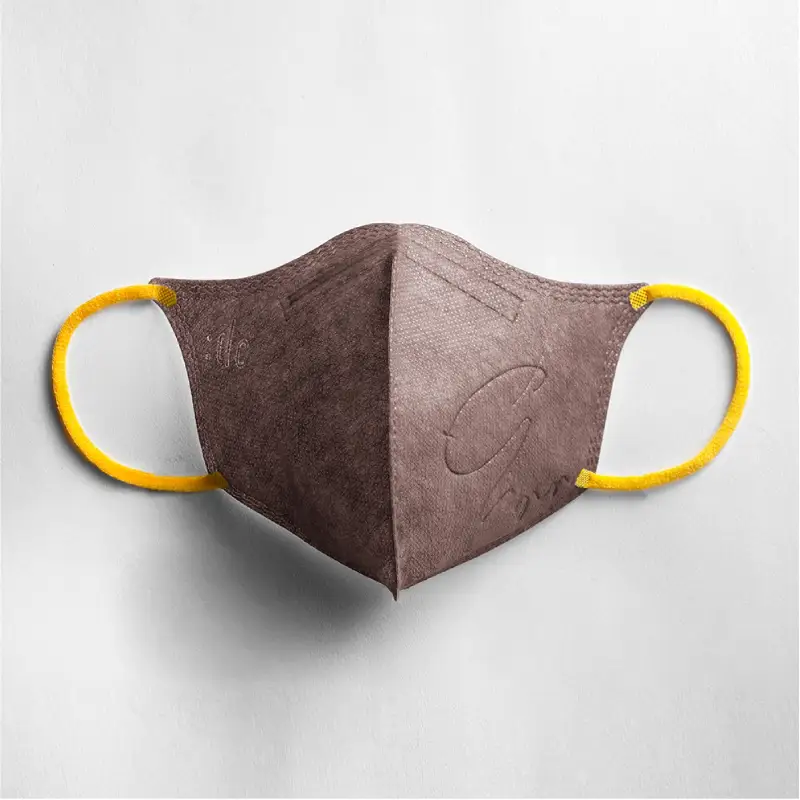
A volcanic eruption can disrupt daily life far beyond the mountain itself. Flights stop, outdoor activities are cancelled, and ash reaches the places where people live, study, and work.
Enter
Japan’s pollen season continues into late summer and early autumn. From August through September, ragweed, mugwort, grasses, and other weeds can release pollen, causing sneezing, nasal congestion, itchy eyes, throat irritation, or coughing.
Enter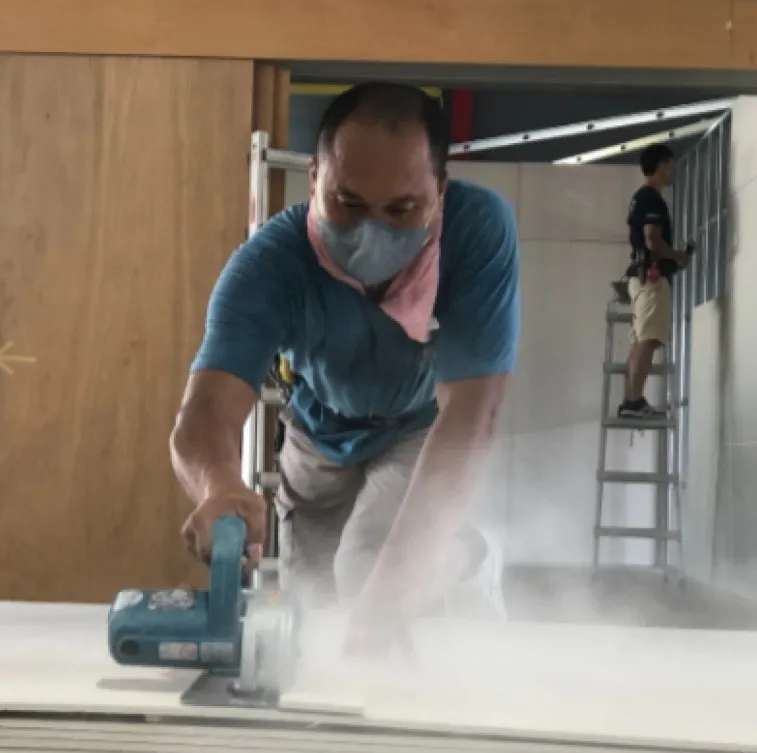
At 8:00 a.m., a furniture factory in Binh Duong Industrial Park starts another busy day. Table saws cut wood panels, drilling machines create precise holes, and sanding stations stay active from morning to evening.
Enter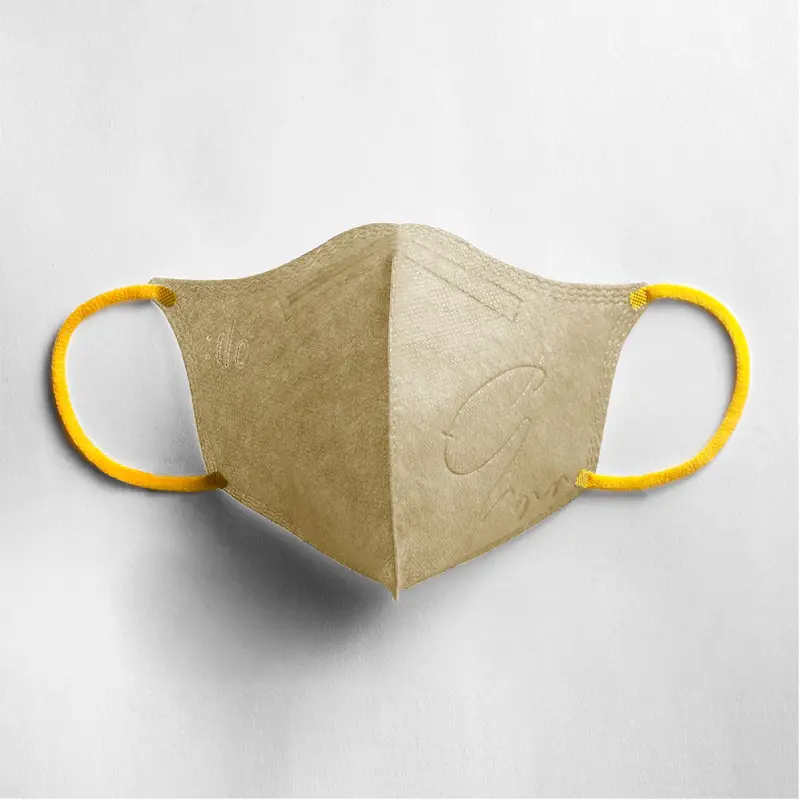
When people think about mask use in Japan, flu season or spring pollen allergy usually comes to mind first. In reality, the reasons go far beyond that.
Enter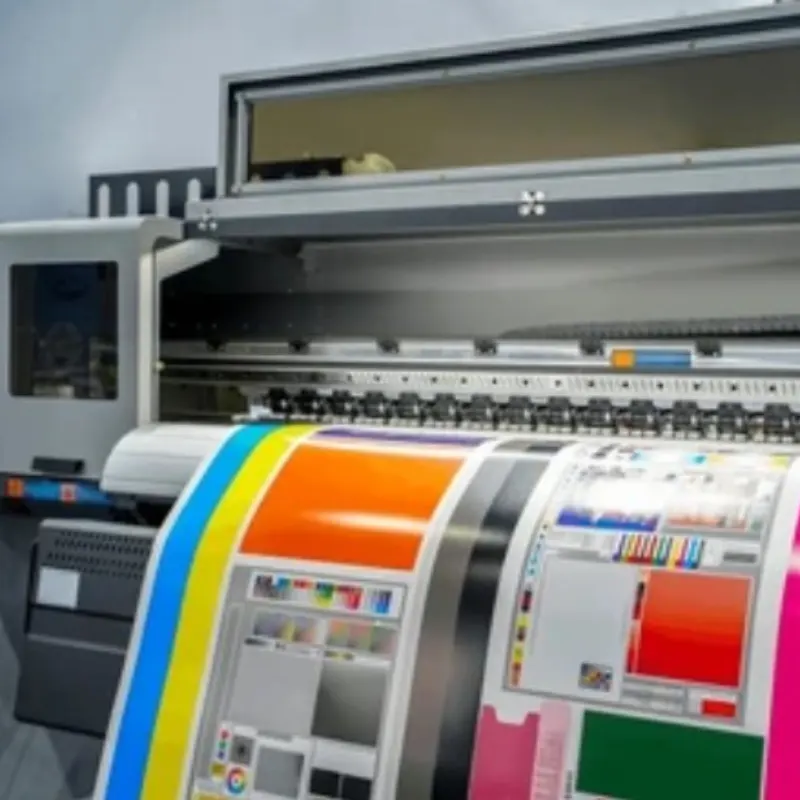
Walk into any printing factory, and you'll immediately recognize the familiar smell of inks and chemical solvents.
Enter
Do you ride a motorcycle or scooter to work every day? Even if you wear a face mask throughout your commute, you may still notice the smell of exhaust fumes. At the end of the day, you might even find black residue inside your nose when you clean it.
Enter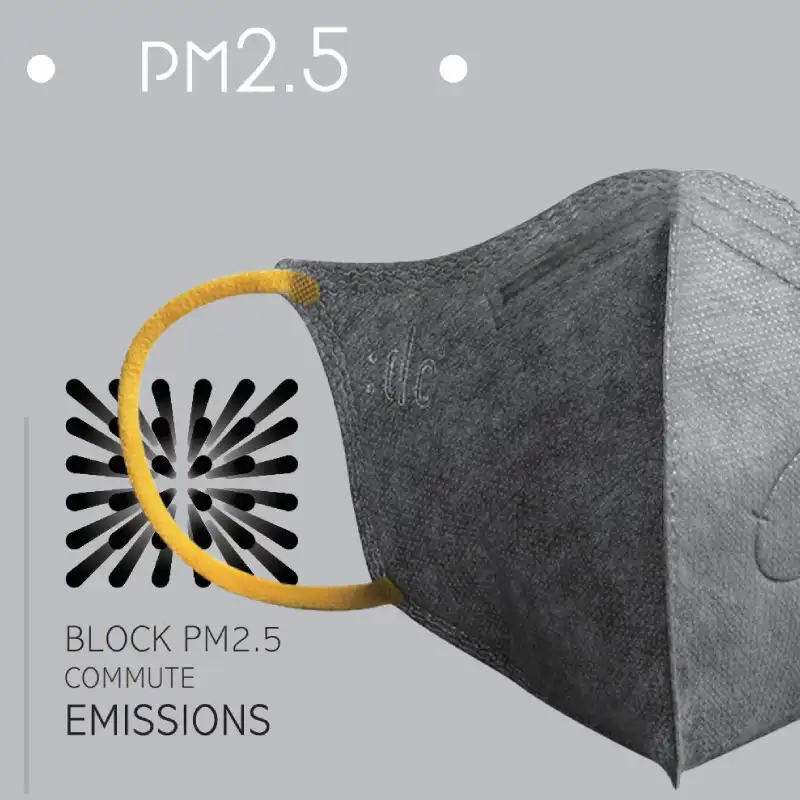
Some host cities may face urban pollution, ozone issues, or wildfire smoke, especially in western North America and major cities in Mexico. Long outdoor activities like walking between venues or attending fan events can increase exposure.
Enter
Every dry season in Southeast Asia, the sky can turn gray, the air may smell like smoke, and many people start to feel a scratchy throat, stinging eyes, coughing, or chest tightness. These symptoms are often linked to slash-and-burn farming, crop burning, forest fires, and peatland fires.
Enter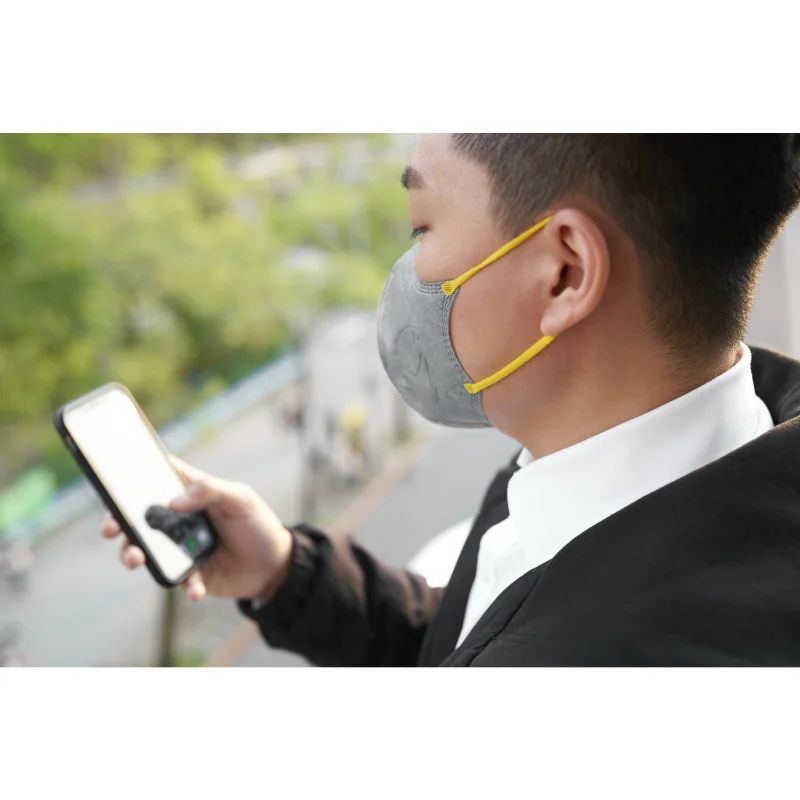
Hantavirus is a serious health concern mainly associated with infected rodents. For cleaning companies, pest control teams, warehouse operators, agricultural facilities, property managers, and workplace safety buyers, the risk is not only the presence of mice or rats—it is also what happens when contaminated areas are cleaned.
Enter