Kitchen Cooking Fumes and Lung Health Protection Guide
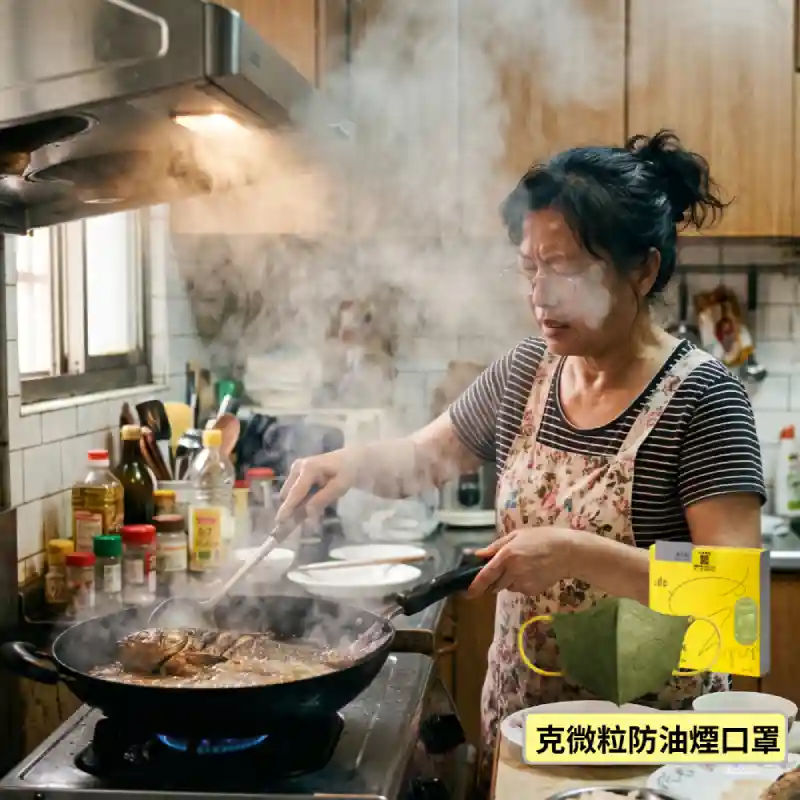
Invisible kitchen exposure that affects lung health
According to Taiwan’s Ministry of Health and Welfare, lung cancer has long been the top cause of cancer-related deaths. A significant number of female patients are non-smokers, which makes daily cooking exposure an important factor to pay attention to.
A common question from home cooks is: “I don’t smoke, I cook every day, and I always turn on the range hood. Why are there still lung health concerns?”
In many cases, the issue comes from repeated exposure to fine oil smoke particles over time.
1. Oil smoke exposure path most people overlook
Most kitchen range hoods are installed above head level for cooking convenience and visibility. However, this creates an exposure gap before smoke is captured.
When oil is heated, smoke rises quickly. Before reaching the suction area, it passes directly through the cook’s breathing zone.
Even when ventilation is running, the first concentrated wave of oil smoke is often inhaled directly.
Over time, fine particles such as PM2.5 and other harmful compounds may enter deep into the lungs, creating long-term respiratory risks.
2. 3 practical habits to reduce kitchen smoke exposure
1. Dacian oil smoke protection mask👈
Standard medical masks are mainly designed for droplets and do not fully address oil-based particles from cooking.
Dacian operates as a 3 ply mask manufacturer, developing masks designed to help filter fine oil particles generated during frying and high-heat cooking.
Using a dedicated mask adds an additional physical barrier before oil smoke reaches the respiratory system, especially during intensive cooking such as stir-frying or deep frying.
2. Turn on ventilation early and keep it running after cooking
Start the range hood before heating the pan or preparing ingredients.
After cooking ends, keep the system running for at least 5 minutes. Invisible airborne particles may still remain even when visible smoke has disappeared.
3. Manage airflow by closing doors and windows
Opening windows during cooking may reduce the efficiency of smoke extraction due to unstable airflow.
In some cases, oil smoke can spread into other living spaces.
Keeping nearby doors and windows closed helps maintain controlled airflow, allowing the range hood to remove smoke more effectively.
3. Small daily habits that protect long-term health
Home cooking is part of daily life and care for family, but repeated exposure to kitchen smoke should not be ignored.
Since range hood structure cannot always be changed, personal protection habits become an important layer of defense.
Wearing protection before turning on the stove is a simple habit that can help reduce daily exposure.
Cooperation inquiry with Dacian
Dacian, a 3 ply mask manufacturer, works with B2B partners in food service, retail channels, and protective product distribution.
Potential cooperation areas include:
- Kitchen air protection mask development
- 3 ply mask manufacturing supply support
- OEM and private label mask production
- Product planning for cooking smoke and respiratory protection markets
👉 Contact Dacian for further business discussion and partnership opportunities.