What Happens When You Breathe BBQ Oil Smoke Too Long? 3 Key Protection Tips for Restaurant Workers
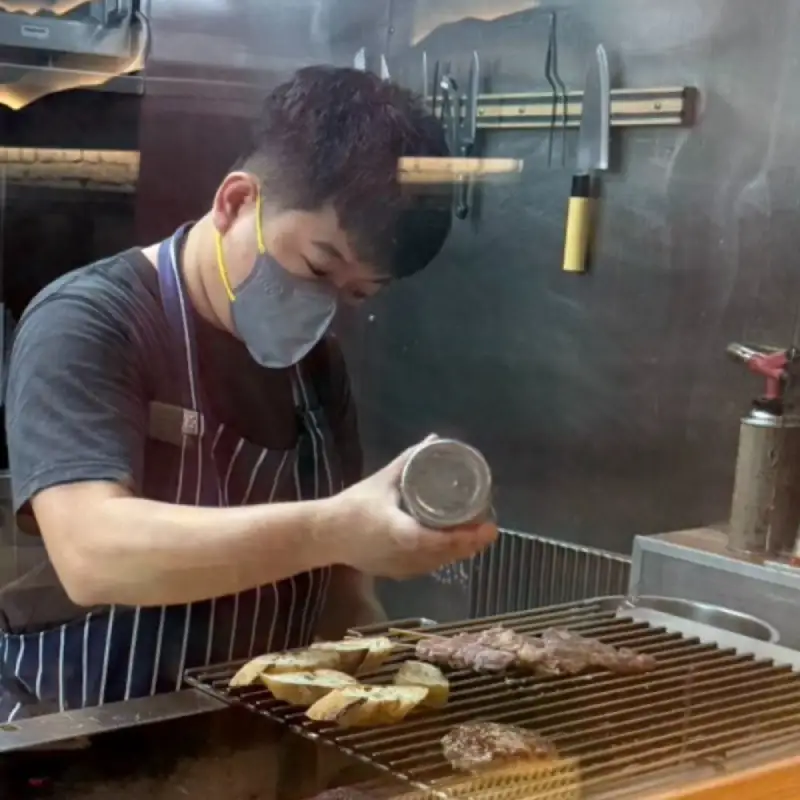
Why BBQ smoke is a hidden health risk
BBQ smoke is very different from normal steam. It contains high levels of fine particulate matter (PM2.5) and carcinogenic compounds such as polycyclic aromatic hydrocarbons (PAHs).
- High inhalation exposure: Working a full day in a poorly ventilated BBQ environment without protection may expose workers to harmful particles comparable to several packs of cigarettes.
- Long-term accumulation: Customers stay for a short time, but staff are exposed for more than 8 hours daily. This continuous occupational exposure is a major cause of chronic respiratory inflammation.
Common misunderstanding: “Is a smoke exhaust system enough?”
1. Smoke passes through the breathing zone first
Most exhaust systems are installed above head level. Before smoke is captured, it passes directly through the cook’s breathing zone.
2. Fine particles spread through the kitchen
While exhaust systems remove larger smoke, fine particles can still spread with heat flow, making full avoidance difficult.
3 essential protection actions for BBQ professionals
1. Improve ventilation design
Exhaust systems should be positioned as close to the cooking surface as possible. Low-level or close-range suction helps reduce the distance smoke travels through the breathing zone.
2. Upgrade personal protection with Dacian👈
Standard medical masks are not designed to filter oil-based smoke particles.
Dacian operates as a safety mask manufacturer focused on occupational environments like food service and BBQ kitchens. The masks are designed with anti-oil filtration technology to help block fine oil-based and non-oil particles, while maintaining breathability for long working hours in high-temperature environments.
3. Annual low-dose CT screening (LDCT)
Food service workers are encouraged to take annual low-dose CT scans. This is one of the most effective tools for early detection of lung abnormalities, especially for those with long-term smoke exposure.
Conclusion: Equipment protects the kitchen, Dacian protects the people
Restaurant professionals create the food people enjoy, but health should not be the cost of that work.
Ventilation systems improve the cooking environment, while professional respiratory protection becomes the final layer for daily exposure control.
Dacian, a safety mask manufacturer, supports food industry workers with practical protection designed for real kitchen conditions, helping teams maintain safer breathing while continuing their work.