Why Can’t You Sleep Well at Night?
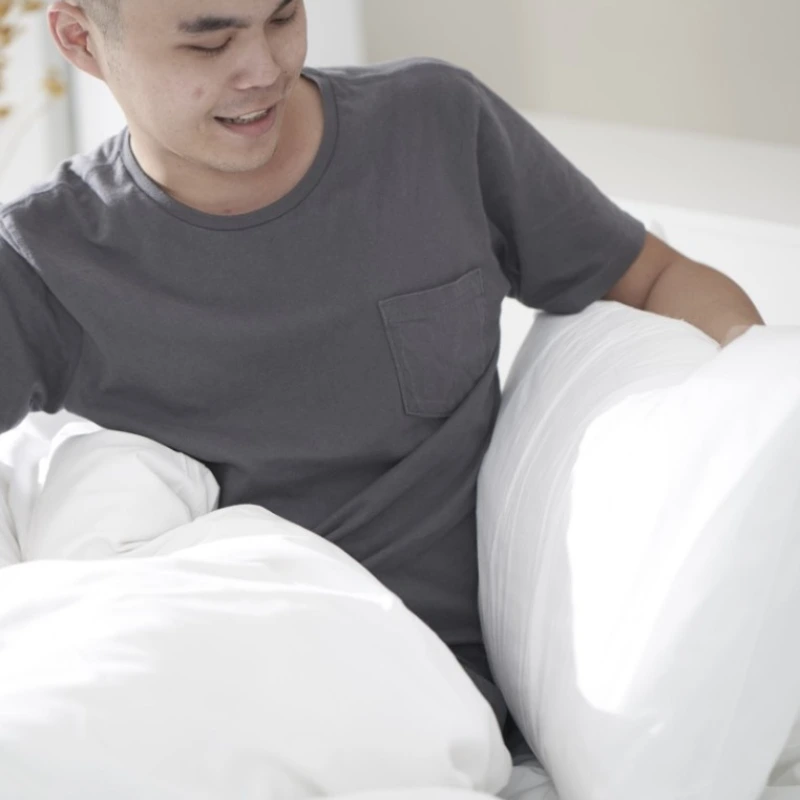
When people search “why can’t I sleep,” they often attribute the problem to stress, anxiety, or excessive screen time.
However, consider whether you frequently experience the following:
- A blocked nose when lying down
- Waking during the night with the urge to cough
- Sneezing shortly after getting up
- Feeling tired despite 8 hours of sleep
If these symptoms are familiar, the issue may not be insomnia. Allergens in your environment could be interfering with your sleep quality.
Allergies and Sleep: Dust Mites as a Key Factor
Your bedroom provides favorable conditions for dust mites.
Pillows and mattresses retain warmth and slight humidity, creating an ideal environment for dust mite growth. Their waste and microscopic body fragments are common allergy triggers.
Breathing in these particles throughout the night can irritate and inflame the nasal lining. This often leads to congestion, mouth breathing, and repeated awakenings without full awareness.
As a result, many individuals search for solutions to “how to sleep with a stuffy nose” without recognizing the underlying cause.
Why Allergies Often Go Unnoticed
Allergy-related sleep disruption is typically mild but persistent rather than sudden or severe.
Common Overlooked Symptoms
- Chronic nasal allergies
- Morning fatigue
- An itchy or blocked throat
- Light, fragmented sleep
Because these symptoms seem manageable, they are frequently ignored. Over time, a cycle can develop:
Poor sleep → reduced immunity → increased allergy sensitivity → further sleep disruption
How to Improve Sleep: Start by Reducing Allergens
Improving sleep quality involves more than changing mattresses or using sleep aids. Reducing dust mite exposure in your sleeping area can significantly improve nighttime breathing.
Practical Daily Habits
- Keep bedroom humidity below 60%
- Wash bedding regularly using hot water
- 👉Use dust proof pillow covers to block dust mites and allergens
The last step is often overlooked, yet it directly protects the surface closest to your face each night—your pillow.
Why Dust Proof Pillow Covers Matter
Over time, pillows accumulate sweat, skin flakes, and moisture. These conditions support dust mite growth. Even with frequent washing of pillowcases, allergens can remain inside the pillow.
Dust proof pillow covers create a physical barrier between you and the interior of the pillow, reducing direct exposure to allergens during sleep.
For example, 👉the pillow protector from Dacian is designed with a micro-porous fabric layer that helps block dust mites and fine particles while maintaining breathability. This reduces the likelihood of feeling overheated or uncomfortable.
The added light water resistance also limits moisture absorption from sweat or spills, helping maintain a cleaner pillow environment and reducing mite growth.
Using dust proof pillow covers can therefore decrease allergen contact while preserving airflow and comfort throughout the night.
Small Change, Better Sleep
When nasal breathing improves, the body relaxes more efficiently and deeper sleep becomes easier to achieve.
If you are experiencing ongoing sleep disruption, stress may not be the only factor. Undetected allergies could be contributing.
Begin with straightforward adjustments: reduce dust mite exposure, wash bedding regularly, and use dust proof pillow covers to protect your pillow.
A cleaner sleep environment can support more restorative nights and improved daytime alertness.